
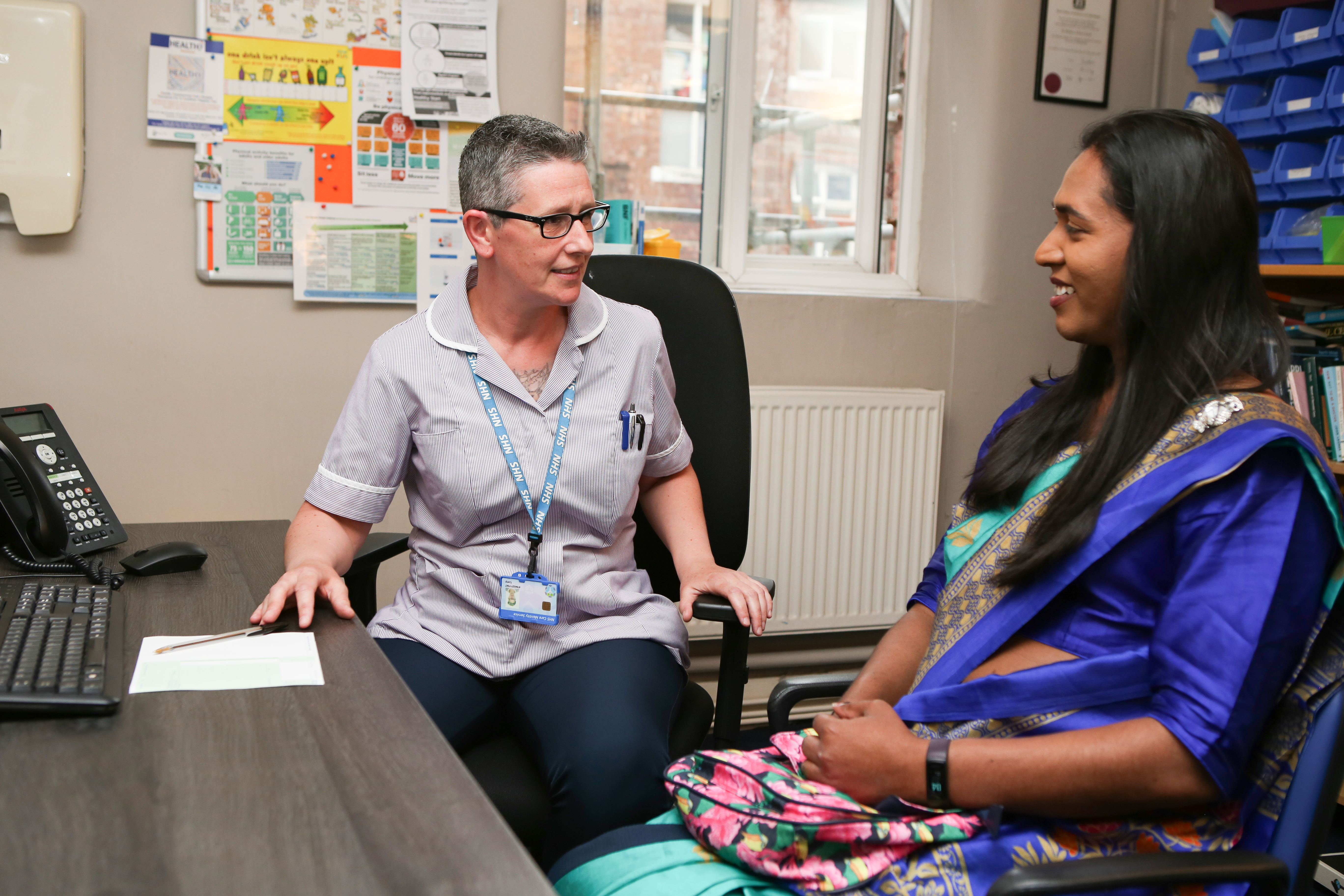
Lancet Study Highlights Life-Saving Impact of Emergency Department HIV Testing as Greater Manchester
A major study published in The Lancet HIV has highlighted the life-saving and cost-effective impact of routine HIV testing in emergency departments, reinforcing the success of Greater Manchester's opt-out testing programme, which has identified more than 200 people previously unaware they were living with HIV. [thelancet.com]
The research, conducted by the National Institute for Health and Care Research (NIHR) Health Protection Research Unit at the University of Bristol, found that the diagnoses made through England's emergency department opt-out testing programme are expected to prevent HIV-related deaths and reduce onward transmission over the next two decades, while representing excellent value for the NHS. [england.nhs.uk]
Greater Manchester's NHS Blood Borne Virus Opt-Out Testing Programme continues to transform early diagnosis and treatment of HIV, hepatitis B and hepatitis C, with more than 1.6 million tests conducted across the city-region's emergency departments since the programme began.
Early diagnosis of HIV means people can access effective treatment, live long and healthy lives, and cannot pass HIV on to sexual partners once the virus is suppressed through treatment. Together with the support provided by NHS teams, George House Trust peer support workers and wider voluntary sector partners, the programme is helping Greater Manchester improve health outcomes and contribute to Greater Manchester’s ambition of ending new HIV transmissions by 2030.
The programme, which is now live in nine Greater Manchester emergency departments, routinely offers HIV, hepatitis B (HBV) and hepatitis C (HCV) testing to adults having blood tests in emergency departments unless they choose to opt out.
Since the launch of the national programme in 2022, Greater Manchester has seen:
More than 200 people have been newly diagnosed with HIV
Nearly 130 people previously diagnosed with HIV who were no longer in care identified and many reconnected to specialist services
Nearly 700 new hepatitis B diagnoses
Nearly 570 hepatitis C diagnoses
More than 1.6 million tests conducted
The programme is helping to tackle one of the key challenges in ending new HIV transmissions: identifying people who are living with HIV but remain undiagnosed. Earlier diagnosis means people can start treatment sooner, improving their health outcomes and preventing onward transmission.
" These findings provide powerful evidence of the benefits of routine opt-out testing. In Greater Manchester, we have seen first-hand how this programme is reaching people who may never otherwise have tested for HIV, hepatitis B or hepatitis C. Every new diagnosis represents an opportunity to improve someone's quality of life, connect them to our world class specialist care and prevent future ill-health. This is life changing and contributes to our ambition to have no new transmission of HIV in Greater Manchester by 2030." Dave Boulger, Associate Director of Population Health, NHS Greater Manchester
Beyond diagnosis, the programme ensures people receive immediate support to engage with treatment and care. Individuals newly diagnosed with HIV in Greater Manchester are offered support from specialist NHS services and peer support workers from George House Trust.
Drawing on lived experience, George House Trust peer support workers provide practical and emotional support following diagnosis, helping people understand their diagnosis, navigate services, access wider support and build confidence as they start treatment. This support plays a vital role in ensuring people remain engaged in care and are able to live well with HIV.
"George House Trust is committed to ensuring that everyone living with HIV has access to the treatment and care they need. In 2026, HIV is a manageable long-term condition, but not everyone knows that. Our team ensures that nobody has to face a new HIV diagnosis or their HIV journey alone. By providing understanding, reassurance and practical support, we help people navigate their diagnosis, access treatment and look forward to the future with confidence." Darren Knight, Chief Executive, George House Trust

Notes to Editors
Opt-out testing is currently available in ten Greater Manchester hospitals.
Manchester Royal Infirmary
North Manchester General Hospital
Wythenshawe Hospital
Fairfield General Hospital
Rochdale Infirmary
Royal Bolton Hospital
Royal Oldham Hospital
Salford Royal Hospital
Tameside General Hospital
Trafford General Hospital
Since the introduction of the national programme in Greater Manchester:
Over 200 new HIV diagnoses have been made.
Nearly 130 people previously diagnosed with HIV and not in care have been identified and reconnected to services.
Nearly 700 new hepatitis B diagnoses have been made.
Nearly 570 hepatitis C diagnoses have been made.
More than 1.6 million tests have been conducted.
Nationally, almost 2,000 previously undiagnosed HIV cases have been identified through emergency department opt-out testing since April 2022. [england.nhs.uk]
Research published in The Lancet HIV found the programme to be cost-effective and likely to prevent HIV-related deaths and onward HIV transmission through earlier diagnosis and treatment. [thelancet.com]
Media Contact:
For media enquiries please contact: Richard Scarborough: RichardScarborough@thebha.org.uk or Tracey Kerr: tracey.kerr@lgbt.foundation
About HIVe Fast Track Cities Greater Manchester:
HIVe (Working to End HIV transmissions in a generation) is Greater Manchester's HIV prevention, testing and treatment partnership, bringing together NHS organisations, local authorities, voluntary sector partners and communities to improve HIV outcomes and support the goal of ending new HIV transmissions.
Related Articles


Emergency Support

Free & confidential sexual health services for Black, Asian, and Minority Ethnic communities


Providing advice, support and resources for LGBT people to take control of their sexual health and wellbeing